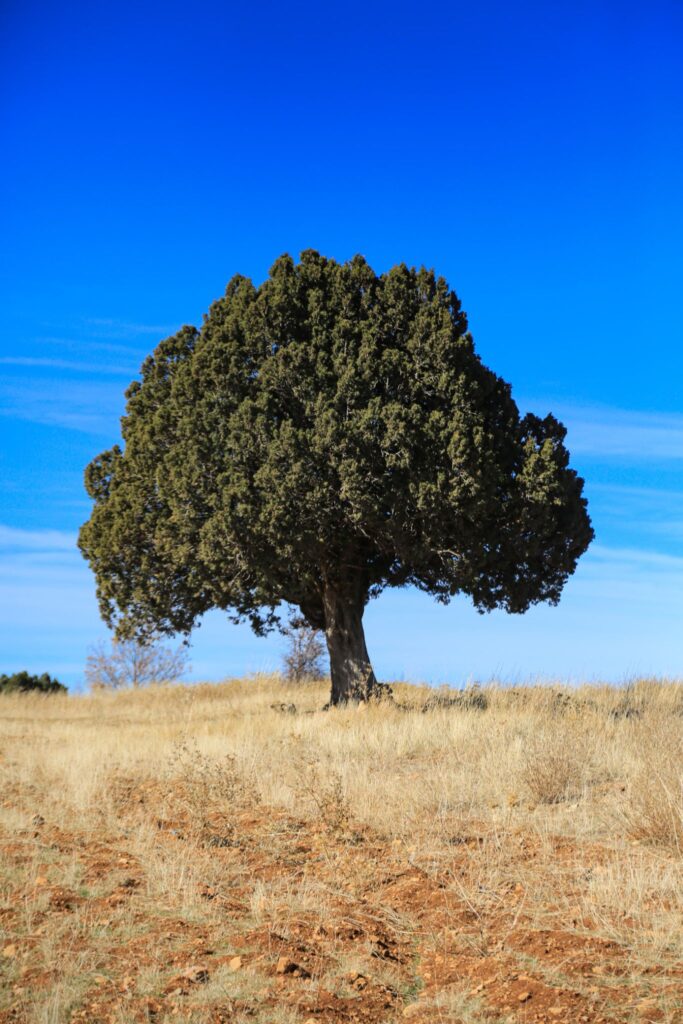
Is Planting Cedar Trees Always the Right Choice?

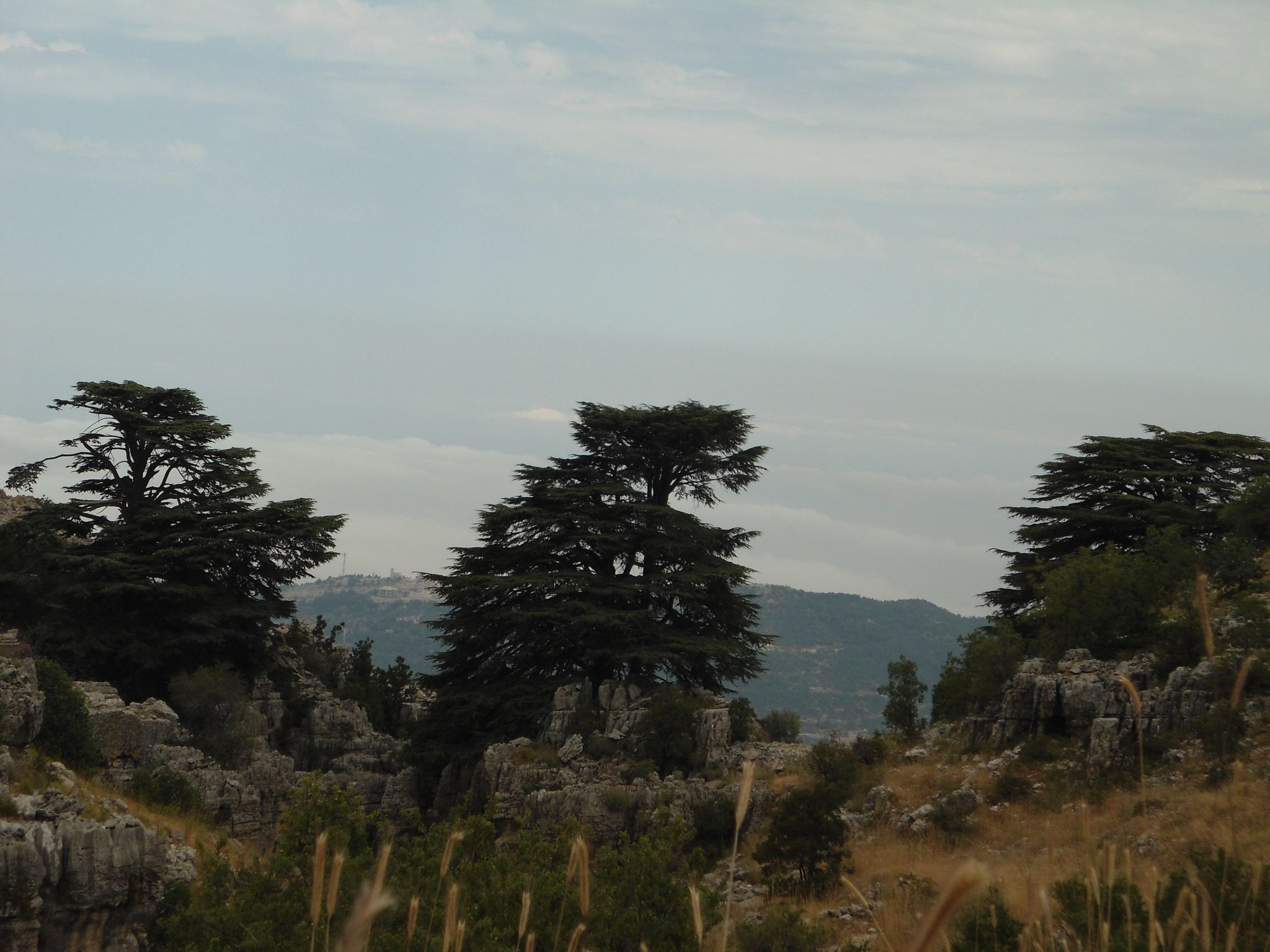
The cedar often dominates Lebanon’s reforestation campaigns, both literally and symbolically. Yet ecologists argue that enthusiasm for the country’s iconic tree should be tempered, as successful forest restoration depends on biodiversity rather than a single species.
The Lebanon cedar (Cedrus libani) is undoubtedly the nation’s most iconic tree. As a powerful national symbol, it naturally takes center stage in reforestation campaigns, where its image often attracts public attention and funding. But does this symbolic status justify making cedar the primary, or even the only, species planted during restoration projects?
Some ecologists believe the answer is no. To better understand the issue, 961 Scientia spoke with Jean Stéphan, an ecologist and professor at the Lebanese University.
How are tree species selected for reforestation?
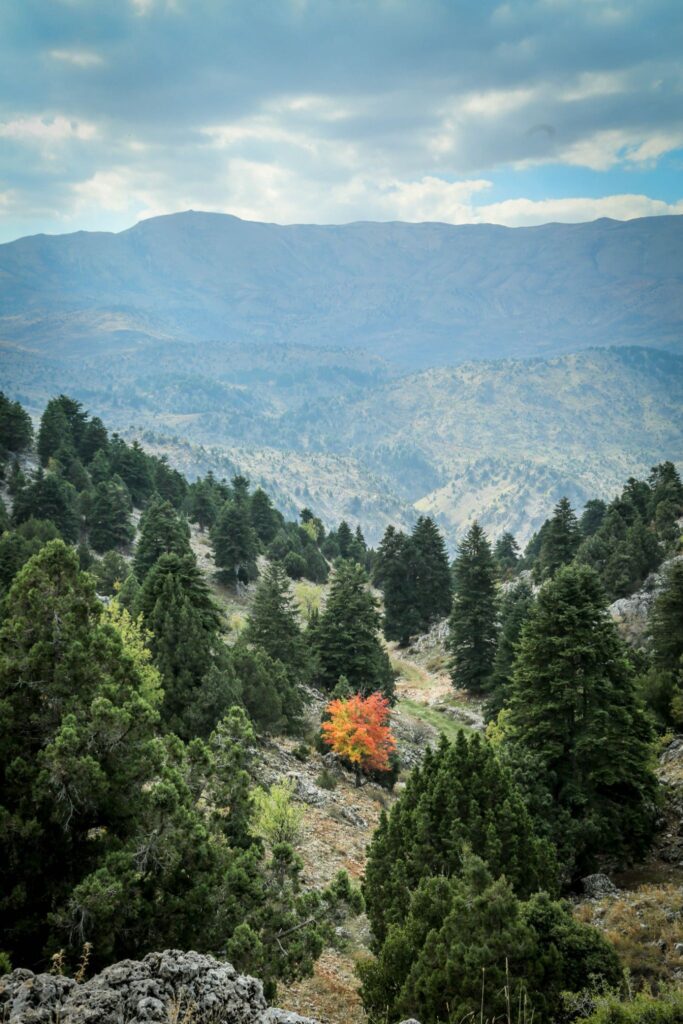
According to Stéphan, choosing which trees to plant depends on several ecological factors, including the site’s existing vegetation, particularly shrubs and herbaceous plants its topography, soil depth, and other environmental characteristics.
Another important consideration is whether a species is native to the region. In Lebanon, this includes species characteristic of the Lebanon–Syria–Türkiye biogeographical region, as well as those listed as threatened by the International Union for Conservation of Nature (IUCN). Planting endangered native species is therefore fully consistent with biodiversity conservation efforts.
The biological characteristics of each tree also matter. Evergreen species, for example, provide shade throughout the year, which can negatively affect sun-loving shrubs and wildflowers growing beneath them. This makes careful site assessment essential before launching any reforestation project.
The method used to plant trees is equally important. Heavy machinery can damage fragile ecosystems, whereas manual planting techniques generally have a much lower environmental impact.
Are these factors always considered when planting cedars?
Stéphan acknowledges that the cedar remains an emblematic species whose appeal makes fundraising easier. Requests to plant cedars also frequently come from private landowners or public authorities responsible for forested areas, placing ecologists in a difficult position when scientific evidence suggests another approach would be more appropriate.
“If conservation status is taken into account,” he explains, “the cedar is no longer among the species facing the highest extinction risk.” He notes that research conducted with international partners has shown significant progress in cedar conservation. Türkiye has planted approximately 250,000 hectares of cedar forests in recent years, while Lebanon has doubled the area covered by cedar stands.
Although climate change poses a serious threat to cedar forests, Stéphan stresses that the species is far from being the only one facing increasing environmental pressures.
Why is planting a single tree species ecologically risky?
The Tannourine Cedar Forest Nature Reserve in northern Lebanon provides a clear example.
Because the forest is composed almost entirely of cedar trees, a single insect pest was able to spread rapidly from tree to tree, causing extensive damage. A lack of species diversity left the ecosystem particularly vulnerable.
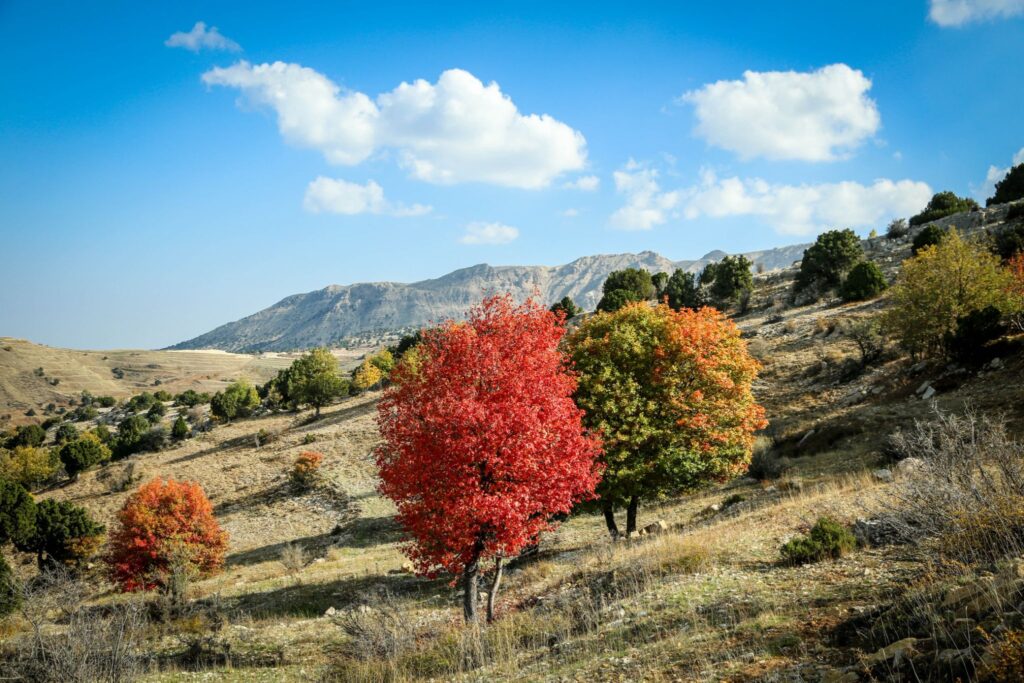
“Biodiversity is resilience,” Stéphan says. Mixed forests are generally better able to withstand pests, diseases, and the impacts of climate change than monocultures.
He also notes that cedar’s evergreen canopy can reduce biodiversity by preventing enough sunlight from reaching understory plants that depend on direct light.
Finding the right balance
Rather than abandoning cedar planting altogether, Stéphan advocates for a balanced approach.
Reforestation projects should include a proportion of cedar trees alongside a variety of native species that are naturally adapted to increasingly dry conditions resulting from climate change.
He also argues that forests should include tree species with economic value, enabling local communities to generate sustainable income while encouraging long-term forest conservation.
Finally, species selection should minimize the need for irrigation, ensuring that increasingly scarce freshwater resources remain available for human consumption, livestock, and natural ecosystems.
Changing Public Perceptions
For Stéphan, future reforestation efforts must be grounded in science rather than symbolism.
He calls for more sustainable restoration methods based on ecological site assessments, scientific research, and the long-term development needs of surrounding communities. At the same time, he believes greater public awareness is needed to highlight the ecological importance of Lebanon’s many native tree species not just its iconic cedar.