Water Hyacinth: A New Source of Biofuel

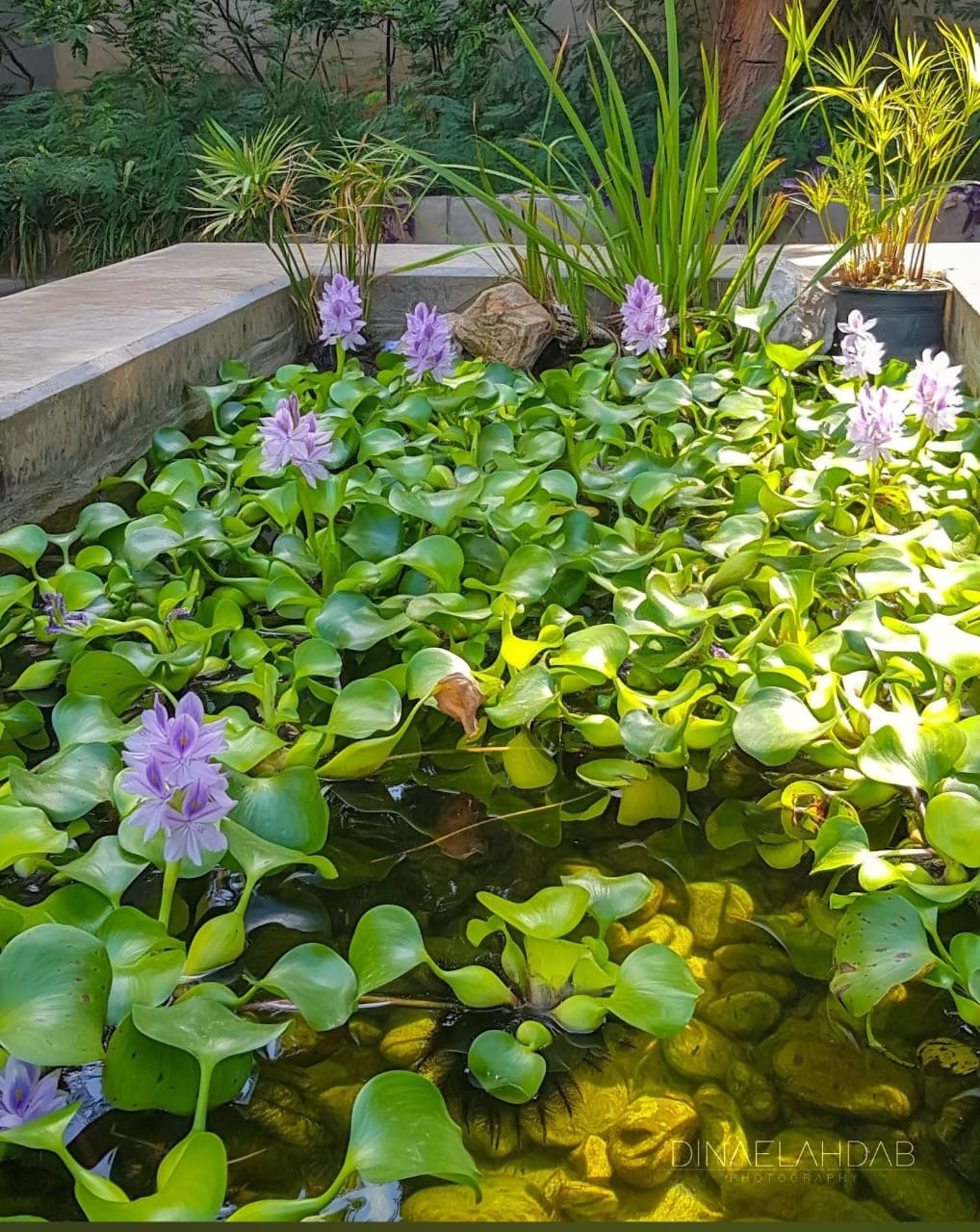
Managing water hyacinth in Benin’s waterways remains a major environmental challenge. In an effort to identify new green energy sources that can help address climate change, Beninese experts have developed techniques to produce biofuel from this invasive aquatic plant. 961 Scientia takes a closer look.
Scientifically known as Eichhornia crassipes, water hyacinth is an aquatic plant native to the Amazon basin. It was spread by humans through horticulture and introduced into tropical regions around the world because of its ornamental value.
However, this invasive species has become a major environmental concern. According to a study conducted by the Climate and Development Network, created in 2007 and bringing together more than 80 French-speaking organizations working on development and climate issues, the uncontrolled spread of water hyacinth in tropical and subtropical countries has serious ecological, economic, and health consequences.
The proliferation of the plant negatively affects biodiversity, disrupts ecosystem functioning, threatens public health, and impacts local economic activities. It also contributes to the depletion of phytoplankton in water bodies, reducing their productivity.
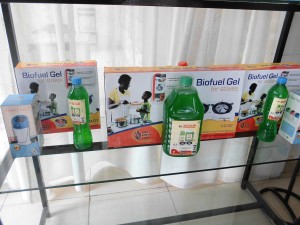
To address these challenges while promoting environmental protection, SME FUNDS, a scientific company based in Nigeria, developed a technology to produce ethanol gel, a biofuel made from water hyacinth. The innovation, promoted by the Carbon Credit Network, was later tested in Benin by Josea Dossou-Bodjrènou, president of the Beninese NGO Nature Tropicale, an organization active in biodiversity conservation since 1995.
“Through this initiative, we work toward biodiversity conservation and, consequently, environmental protection,” he explained during an interview with 961 Scientia.
The Benefits of the Technology
Studies show that applying this technology, particularly in wetlands affected by water hyacinth invasions, offers several advantages. These include decentralized production of thermal energy and compost, while simultaneously helping control the spread of the invasive plant.
For Dossou-Bodjrènou, the technology represents an innovative approach to fighting climate change.
“This is an ingenious technique for combating climate change. It is a valuable initiative that we discovered in Brazil and that is also being tested in Nigeria. We are now working toward establishing a production system here in Benin,” he explained.
He clarifies that water hyacinth biofuel is a completely natural form of energy.
“When we talk about fuel, we are referring to a form of energy used to power engines. The term ‘bio’ simply means that this fuel is produced from natural plant-based materials similar to Sodabi, a traditional Beninese distilled alcohol made from palm wine,” he said.
The same principle applies to water hyacinth: the alcohol extracted from this floating plant can be transformed into a fuel known as water hyacinth-based biofuel, which can be used in adapted stoves for cooking.
A Safe and Easy-to-Use Alternative
Water hyacinth biofuel offers several advantages compared with traditional cooking fuels.
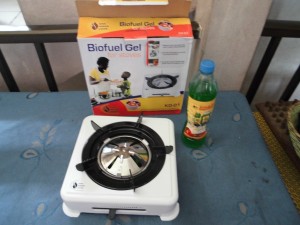
“This gel does not release smoke when burned and therefore does not pollute the environment. Instead, it produces a clean blue flame that can be used to cook food in pots or pans,” Dossou-Bodjrènou explained.
Unlike charcoal, whose smoke can contribute to respiratory diseases, this biofuel does not expose users to harmful fumes. According to the expert, it can also be used almost anywhere without requiring special safety conditions.
“You can even use it on a dining table, in an office to make tea or coffee, or to quickly warm something up. Anyone can use it. It makes cooking easier, especially for women,” he added.
Dossou-Bodjrènou emphasizes that the product carries very little risk of explosion compared with gas-based fuels.
“My colleagues and I always keep some gel in our vehicle when we travel so that we can warm up food or prepare meals. There are very few risks involved,” he said.
He estimates that one liter of water can be brought to boiling point in around seven minutes using the biofuel stove, compared with approximately 15 minutes with a kerosene stove, while avoiding the smoke and health risks associated with traditional fuels.
In Nigeria and Brazil, this biogel is already being used as an alternative to kerosene and, in some cases, gas.
Challenges Ahead for Benin
The transformation of water hyacinth into biofuel involves several stages. The first step is assessing the acceptance of the technology in Benin based on experiences from other countries. The second involves evaluating market potential and demonstrating the product’s feasibility through research and documentation. The final requirement is ensuring a reliable supply of raw materials.
“Benin is still at the stage of introducing and gaining acceptance for this product. We need to mobilize funding to acquire sufficient quantities from our Nigerian partner for promotion, and this remains our greatest challenge,” explained Dossou-Bodjrènou.
Research into the technology has already produced promising results. Studies indicate that after one year of experimentation, average production reached 1,440 liters of biogas from 3.67 kilograms of dry water hyacinth biomass, equivalent to approximately 392.37 liters per kilogram.
Despite its potential environmental and social benefits, this technology remains underdeveloped in Africa, particularly in Benin. Expanding its use could provide a dual solution: reducing the spread of an invasive species while creating a renewable energy source for local communities.