RAWMEC 2024: Towards Decentralized and Sustainable Waste Management

RAWMEC 2024 brought together policymakers, businesses, researchers, and civil society organizations to explore circular economy solutions and decentralized waste management. Organized by Lebanon Expo in partnership with the Ministry of Environment, the conference highlighted the importance of stronger collaboration between the public and private sectors in addressing Lebanon’s waste crisis.
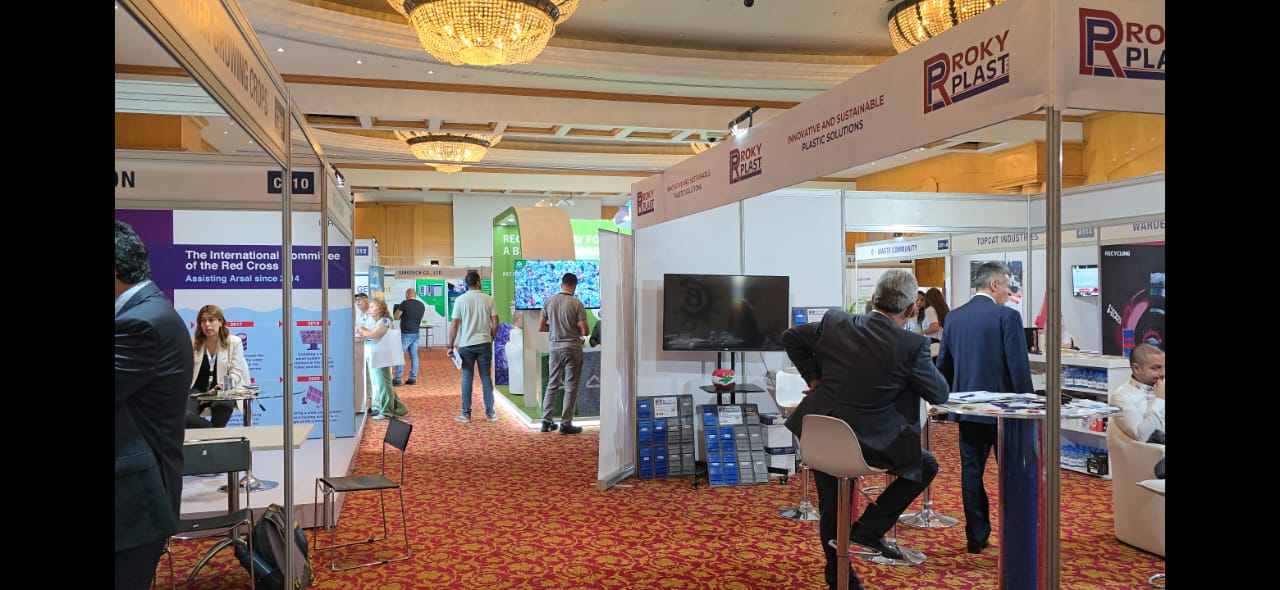
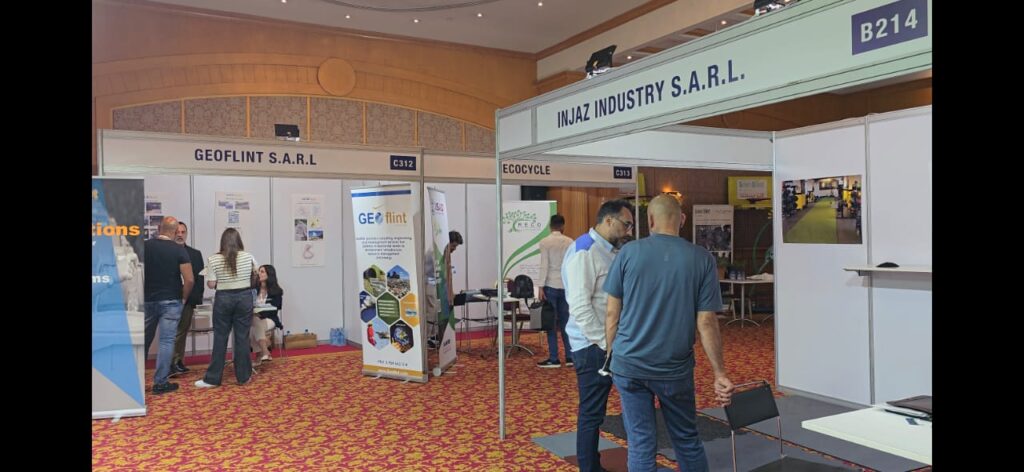
The circular economy, decentralized waste management, and greater complementarity between the public and private sectors were at the heart of the RAWMEC 2024 conference, held at the Hilton Habtoor Hotel in Beirut on June 26–27. Alongside the conference, an exhibition showcased a wide range of organizations and companies active in the waste management sector.
Discussions focused on social governance in waste management, existing national strategies, decentralized systems with cost-recovery mechanisms, public awareness initiatives, technological solutions for waste valorization, sustainable wastewater treatment, and green construction techniques.
Firas Fayçal, an environmental sustainability engineer, university professor, and the conference’s academic coordinator, explained that the event was organized by Lebanon Expo in cooperation with the Ministry of Environment.
“This conference on waste management was intended to become an annual event following its first edition in 2019. However, the COVID-19 pandemic and Lebanon’s economic crisis prevented us from organizing another edition until this year,” he said.
According to Fayçal, RAWMEC serves as a platform that brings together experts, businesses, public institutions, non-governmental organizations, and policymakers to exchange knowledge and develop practical recommendations. The conference’s conclusions will be incorporated into the Ministry of Environment’s annual report. He also emphasized that, under the current circumstances, Lebanon’s public sector needs the support and expertise of the private sector more than ever in delivering essential services.
The conference’s main recommendation was the implementation of a decentralized waste management system, with a strong emphasis on transparency and accountability to reduce the risk of corruption.
Fayçal argued that municipalities, as Lebanon’s smallest administrative units, should assume primary responsibility for waste management. Such an approach would build on existing local logistics and infrastructure rather than requiring a complete overhaul of the national system.
While acknowledging the important role of private companies—particularly in the treatment of hazardous and specialized waste—he stressed that municipalities are best positioned to manage household waste because of their close relationship with local communities.
Industry Voices
Among the exhibitors was Hweol, a Lebanese company that manufactures machinery capable of processing waste into recyclable materials. Company representatives said their participation aimed to “build partnerships with other stakeholders in the sector and foster future collaboration.”
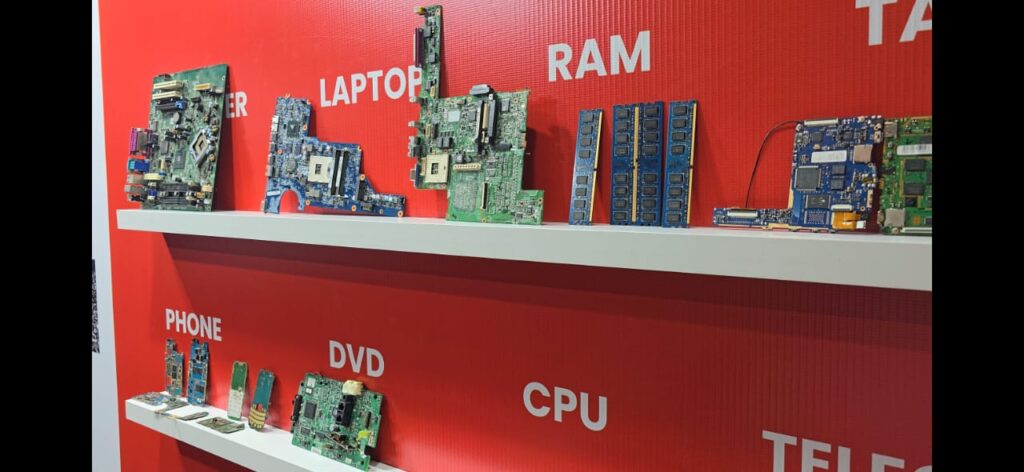
Malak Khalife, partner at AKS, highlighted the environmental importance of refurbishing electronic waste.
“With more than 50 years of experience, AKS is committed to raising awareness about electronic waste refurbishment. Computers, mobile phones, tablets, and other electronic devices contain highly toxic components that can harm the environment. We purchase these devices from companies, refurbish them, and export them for reuse and further refurbishment,” she explained.
The exhibition also featured a wide range of organizations committed to environmental sustainability, including the Shouf Biosphere Reserve, the Diane Foundation, Arc en Ciel, Berytech, and many others. The event was open to the public, providing an opportunity for visitors to discover innovative technologies and sustainable waste management initiatives.