
Lebanon in flames: when fire reshapes our forests

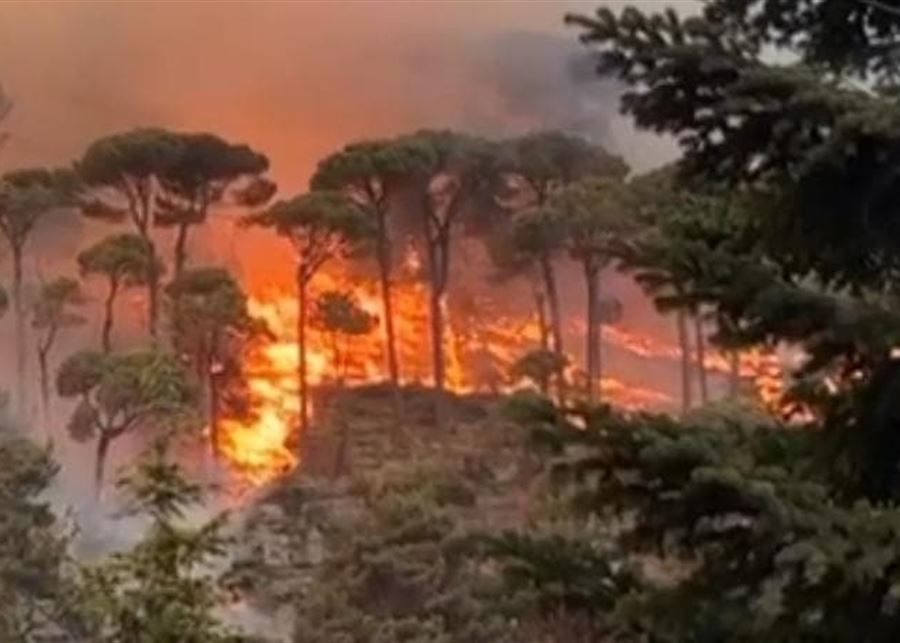
With 2024 marked by record-breaking temperatures, Lebanon faces an increased risk of wildfires. As several regions remain on red or orange alert, prevention has become essential to protect both communities and biodiversity. Experts and authorities are calling for vigilance and proactive management in the face of these natural disasters, which are being exacerbated by climate change.
The year 2024 sets a grim record as the hottest ever recorded. With August falling just 0.07°C short of matching August 2023 the hottest August on record extreme temperatures are not only driving people towards the coast but are also heightening the risk of wildfires. As September begins, is the fire season really behind us?
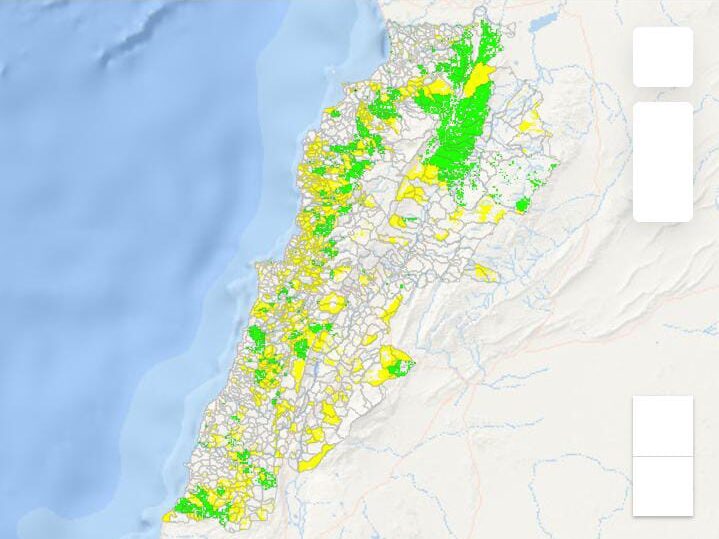
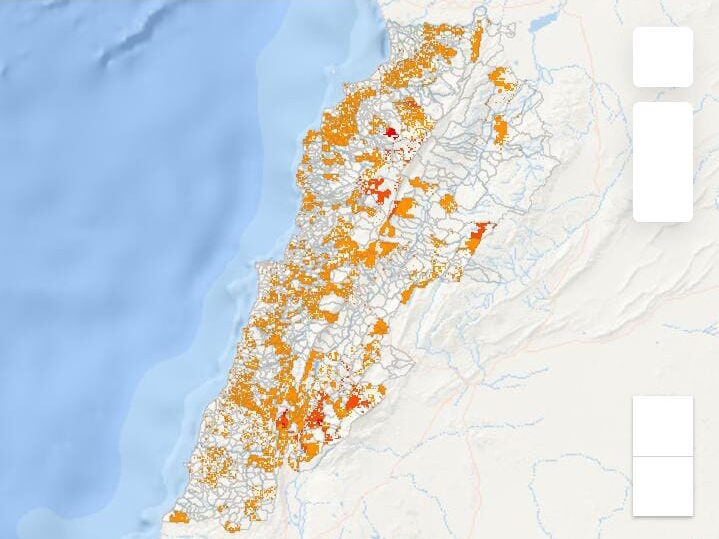
According to data from the National Council for Scientific Research in Lebanon (CNRS-L), while most of the country falls within green and yellow zones*, indicating low to moderate risk, several areas remain under close watch, with red and orange alerts** signalling extreme to very high danger. Remaining alert to the possibility of disaster is imperative.
*See Map 1 ** See Map 2
Prevention is better than cure
To prepare for wildfires and minimise risks, the following measures are recommended:
Before a fire:
– Check whether you live in a high-risk area.
– Identify evacuation routes to leave your neighbourhood quickly.
– Develop an evacuation plan with your family and neighbours.
– Follow fire alerts via the Leb Alerts app, the website www.ewsp.gov.lb, WhatsApp groups, or the radio.
During a fire:
– Be ready to evacuate at any moment.
– Keep listening to the radio for updates and information on blocked roads.
– Park your vehicle in a way that allows for a quick departure, and keep essential items within easy reach.
– Remove flammable materials from around your home.
– Close doors and windows to limit the entry of smoke and dust.
– Turn off gas and fuel supplies.
After a fire:
– Consult the municipality before returning home; never return without official clearance.
– Be cautious in burned areas, as hotspots may reignite.
– Check the safety of water and food; discard anything exposed to smoke or flames.
– Wear rubber gloves, boots, protective goggles and a mask during clean-up.
Reporting a wildfire:
– Call Beirut Fire Brigade on 175 and Civil Defence on 125.
– Contact local authorities.
– Use the Leb Alerts app to report the fire.
A cocktail of pollutants
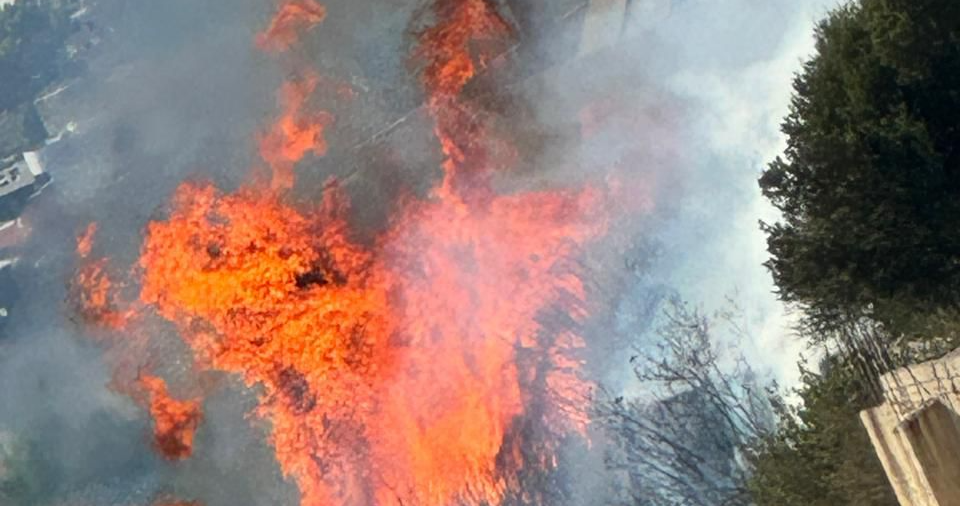
Wildfires do more than devastate biodiversity—they also degrade air quality. “They release vast amounts of toxic pollutants, including fine particulate matter (PM), as well as volatile organic compounds, carbon monoxide and dioxide, and nitrogen oxides,” explains Charbel Afif, an air pollution expert and Head of the Chemistry Department at the Faculty of Science of Saint Joseph University of Beirut. These emissions have serious consequences for human health, particularly affecting the cardiovascular and respiratory systems, increasing the risk of conditions such as bronchitis, asthma, heart disease, and even lung cancer.
“Toxicological studies have shown that particles emitted by wildfires are even more harmful than those from other anthropogenic sources,” he adds.
Protecting oneself from these particles is crucial, particularly for people with asthma, children, and pregnant women. Wearing a mask remains essential, even several kilometres away from the fire, as weather conditions can carry these particles over long distances. Their dispersion can take anywhere from a few hours to a full day.
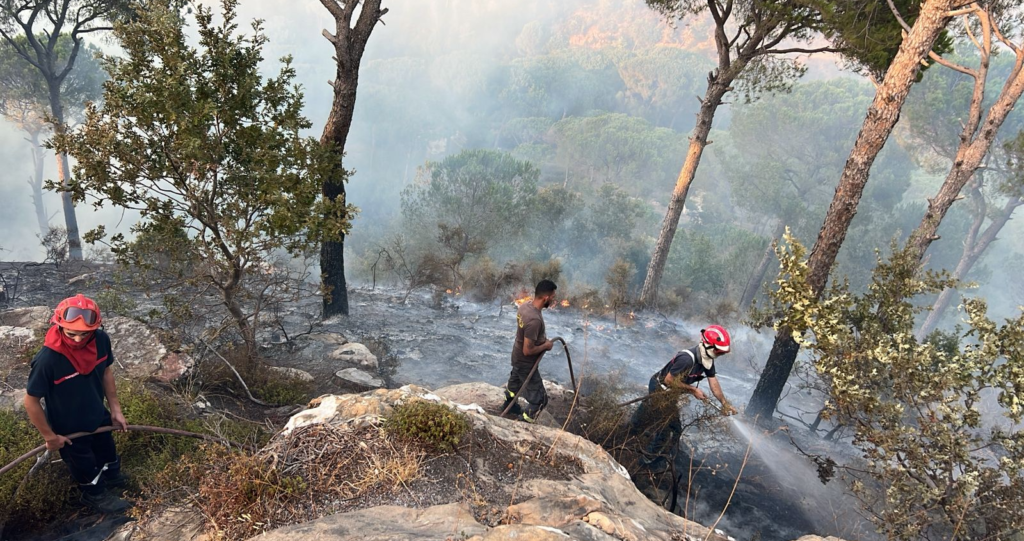
Fires that are not always entirely destructive
Wildfires are a common disturbance in Mediterranean forests and can, in some cases, support biodiversity by opening up forest spaces and preserving certain species. However, they become dangerous when they occur too frequently or with excessive intensity. In themselves, wildfires do not always threaten biodiversity, but repeated occurrences over a short period pose a major risk. The real danger lies in the increasing frequency of fires, driven by rising temperatures.
“If the forest burns every year, it does not have time to regain its resilience or renew its biodiversity,” explains Carla Khater, Research Director at the Remote Sensing Centre of the National Council for Scientific Research (CNRS) in Lebanon and an expert in ecosystem management.
Although fires are traumatic for forest ecosystems, “it is crucial not to rush reforestation,” Ms Khater stresses. “The priority is to protect the forest, allow it to regenerate naturally, and prevent further fires, grazing, logging, and especially land-use changes through construction.”
So when should reforestation be considered? “If, after five or six years, the forest’s natural dynamics have not recovered, and field studies confirm its inability to regenerate, that is when it becomes appropriate to plan reforestation,” she concludes.