
2025, the year the climate stopped knocking… and came in

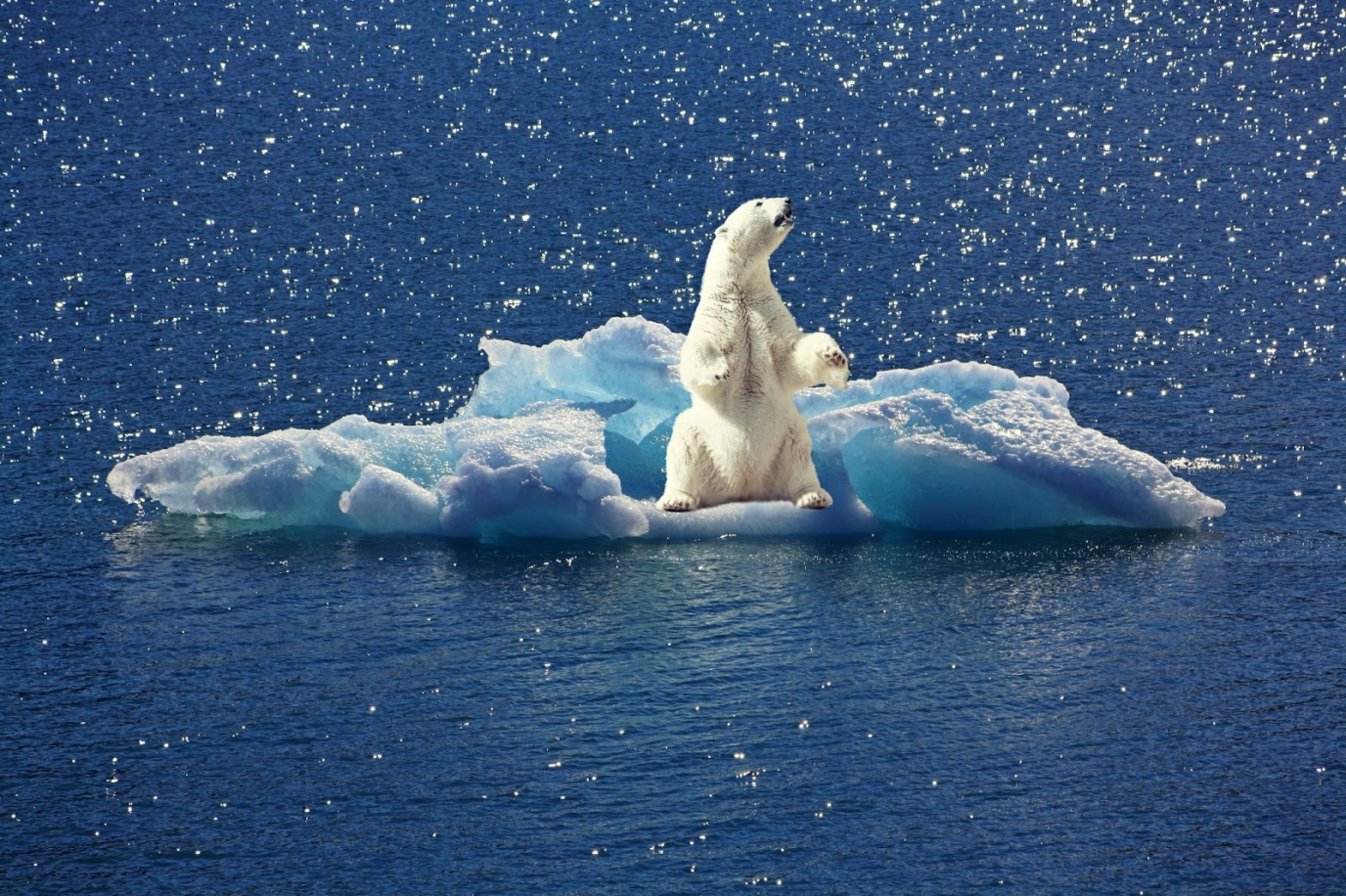
Some years mark a turning point. 2025 is one of them—brutally so. This is no longer an alert, nor a siren we eventually learn to ignore. It is the year the planet officially crossed a threshold scientists had feared for decades: 2025 is now the hottest year ever recorded since modern measurements began.
+1.5°C.
That +1.5°C once presented as a distant limit is no longer a projection; it’s a thermometer placed on the table.
Uncontrollable megafires, tropical nights becoming routine, seas warming at the pace of a running engine, and billions of people caught in a new normal no one chose.
And while citizens struggle to endure this daily reality, world leaders gathered at COP30 in Brazil to debate what should logically be humanity’s absolute priority.
COP30: the limits of a global theater
One might have expected a historic conference. It was, but mostly for illustrating the widening gap between the severity of the crisis and the inadequacy of the responses.
Debates were tense, fragmented, sometimes frankly surreal. The most vulnerable countries demanded, at last, adaptation mechanisms matching the scale of the disaster. Major powers, meanwhile, juggled spectacular announcements and strategies of avoidance; billions promised with one hand, responsibilities dodged with the other.
Science, however, was clear: every tenth of a degree matters, every lost year amplifies the damage, every weak political decision is a debt placed on the future. Yet in the air-conditioned halls of COP, data still too often collide with economic interests and electoral calculations.
And at the heart of this global stage, one country stood out by its absence.
Lebanon: in denial amid a crisis hitting full force
Lebanon did not feature in the major debates of COP3, neither in commitments, nor in announcements, nor in diplomatic pressure. And yet, it stands on the front line: accelerated coastal erosion, chronic water stress, extreme heatwaves, threatened agriculture, collapsing biodiversity.
But how can a country show up when the state itself is on its knees?
No credible national climate strategy, no strong delegation, no resources, no voice. Lebanon watches the climate train pass by without boarding it, even as it clings to the last carriage.
This absence is not anecdotal. It is symptomatic: of a region bearing the brunt of the climate crisis without, or no longer having, the institutional capacity to respond. And this is precisely the reality science refuses to accept as inevitable.
In the face of heat, one compass: science
While diplomats debate, researchers keep working. They measure, warn, model, propose. They draw scenarios, not illusions. They remind us that adaptation is not a luxury, mitigation is not a slogan, and transition is not a marketing concept.
Science is not perfect, but more than ever, it remains the only bulwark against resignation and improvisation. And it is our collective responsibility: researchers, teachers, journalists, citizens to make it heard above the noise of the world.
2025 will be remembered. The year the climate stopped knocking… and came in.
But it can also be the year we finally decided to stop waiting for someone else to act in our place. The planet does not need promises. It needs courage, clarity and science.
Everything else is just scenery.