
Revolutionising Energy Sustainability in Benin

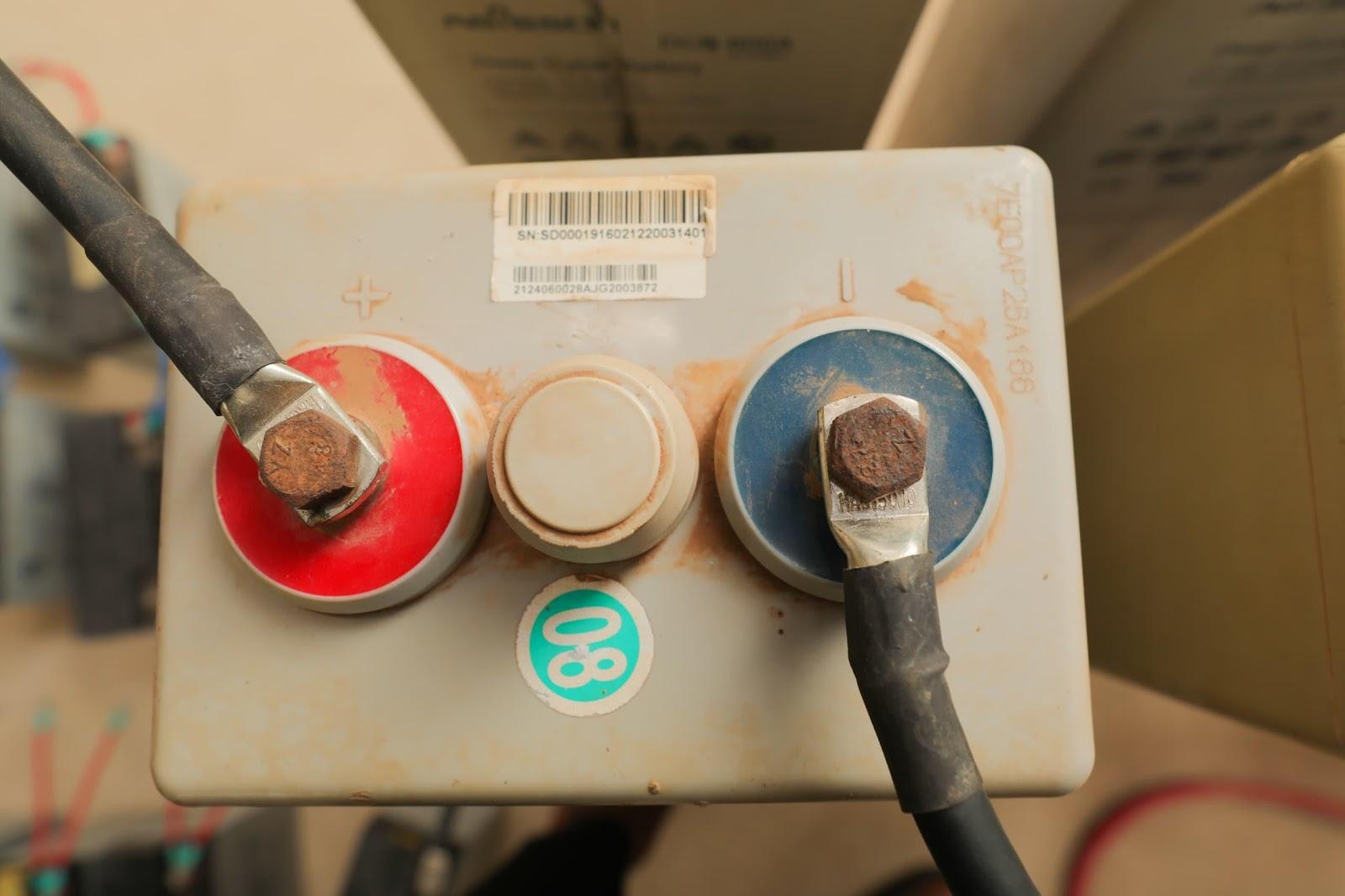
Benin has once again made strides in technological innovation. Habib Lodonou is contributing to this momentum by developing a technology to regenerate end-of-life solar batteries in the country. This new approach offers a practical response to challenges linked to climate change.
It all began with an observation. As the founder of Be Energy Benin, Habib Lodonou noticed the short lifespan of the solar batteries purchased by his clients. Faced with this recurring issue, he began exploring regeneration solutions. Driven by a desire to address the problems affecting his fellow citizens, he decided to pursue further studies in energy engineering in France. “At the time, I was installing solar panels in households, and the batteries would typically reach the end of their life after three to five years. Sometimes, customers were frustrated. Others had to spend large sums again to buy new batteries,” he explains. “To solve this problem, I knew there had to be a technological solution, but I didn’t yet know how to approach it in practice. That’s what motivated me to contact the University of Clermont-Ferrand in France, which agreed to support my project and suggested I resume my studies for an engineering degree in energy.”
During his first year of a Master’s degree, he discovered Be Energy France, a global technological leader in the regeneration of batteries, oils and engines. “Bertrand, the company’s manager, contacted me, and I went to learn battery regeneration from their experts. We travelled to Istanbul, where we worked on regenerating batteries. I was truly passionate about the work being done,” he recalls. “At the end of my studies, I wanted to return to my country to promote this highly beneficial and cost-effective technology.”
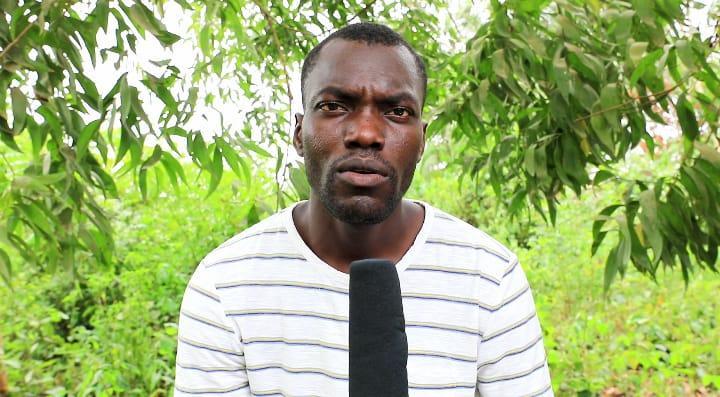
Habib Lodonou: a young innovator
After obtaining his baccalaureate, Habib pursued higher education in mechanical and energy engineering at the University Institute of Technology in Lokossa, where he earned a professional bachelor’s degree. His main focus at the time was replacing conventional energy systems with solar panels in households in Cotonou, particularly due to frequent power cuts. “I worked as an independent installer for seven years. The main issue I encountered was the short lifespan of solar batteries. That led me to resume my studies in France for an engineering degree in energy. These studies allowed me to discover a technology capable of giving a new life not only to used batteries but also to car batteries—known as starter batteries—as well as electric forklift chargers.”
The benefits of solar battery regeneration
This technology helps reduce the cost of purchasing batteries while also contributing to a cleaner environment. Discarded batteries, when left in nature, can cause significant pollution. “A regenerated battery is 50% cheaper than buying a new one. For example, instead of spending 100,000 CFA francs on a new battery, you only spend 50,000 for the same quality, capacity and performance,” he explains. He adds: “From an environmental perspective, regenerating one tonne of batteries saves three tonnes of CO₂.”
According to Eco-entreprises, such regeneration solutions significantly reduce carbon emissions, support local employment, cut hazardous waste, double the lifespan of batteries, oils and engines, and generate around 50% savings for users. They also reduce industrial waste and greenhouse gas emissions, foster new circular economy jobs, and strengthen territorial resilience by preserving critical materials.
The process itself follows a structured method. First, used batteries are collected from clients—specifically swollen batteries, as damaged or broken ones cannot be regenerated. Next comes the treatment phase, which typically lasts between 48 and 72 hours. Finally, the batteries are tested through discharge cycles to ensure proper regeneration before being returned to customers.
Challenges and outlook
Despite its many advantages, this promising technology still faces a major challenge: adoption and awareness. “We need to raise awareness among the public and among stakeholders in the solar, transport and logistics sectors. That remains a key challenge,” he notes.
Nevertheless, the young innovator plans to address this through collaboration with media outlets and industry players, with the aim of expanding the technology across all regions of Benin and eventually throughout the wider sub-region.